




What is a Raised Floor called? Unveiling the Diverse Names and Application Value!
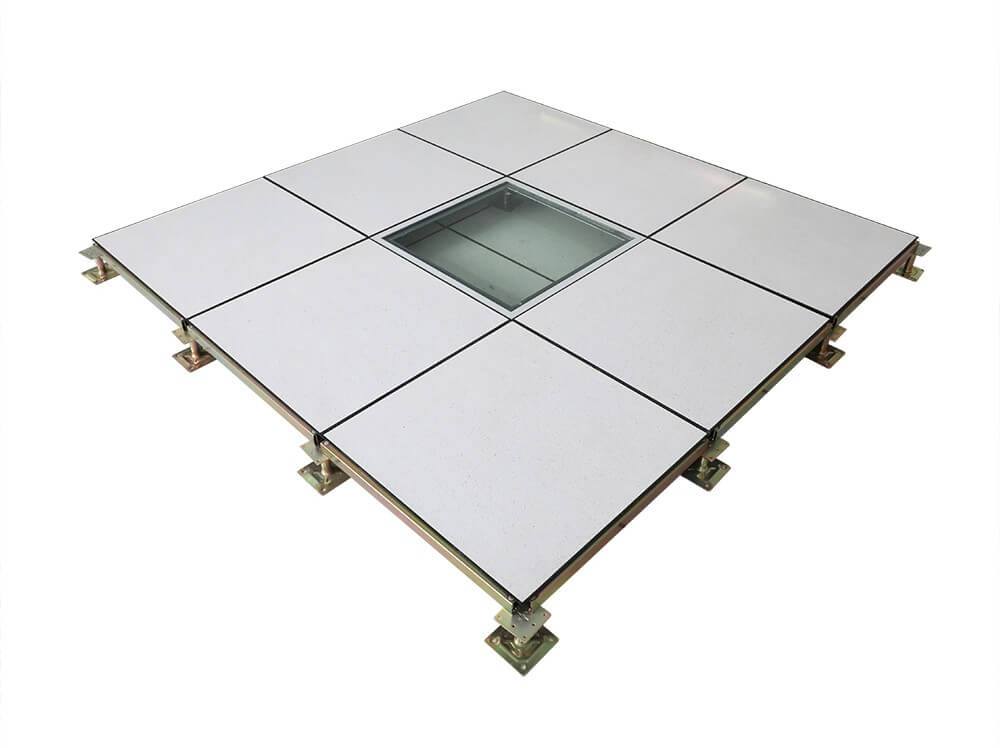
In modern data centers, high-end control rooms, and even open-plan office spaces, have you noticed that the floor beneath your feet is not ordinary concrete but a platform composed of detachable panels? This seemingly simple yet crucial structure goes by multiple international names, often sparking the question: What is a raised floor called? It is far more than just a "raised floor".
Core Terminology Analysis: Unraveling the Identity of Raised Floors
When exploring this infrastructure that supports the digital world, several key English terms repeatedly emerge:
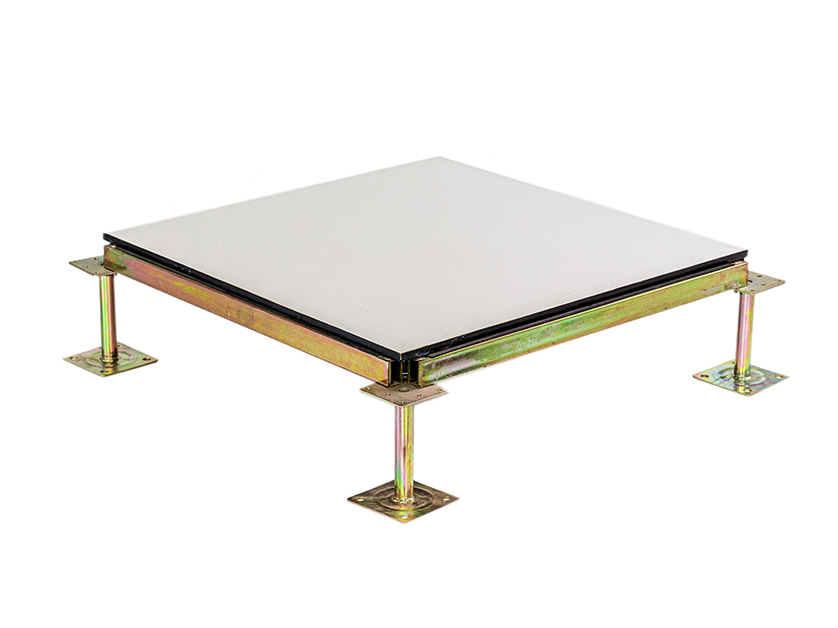
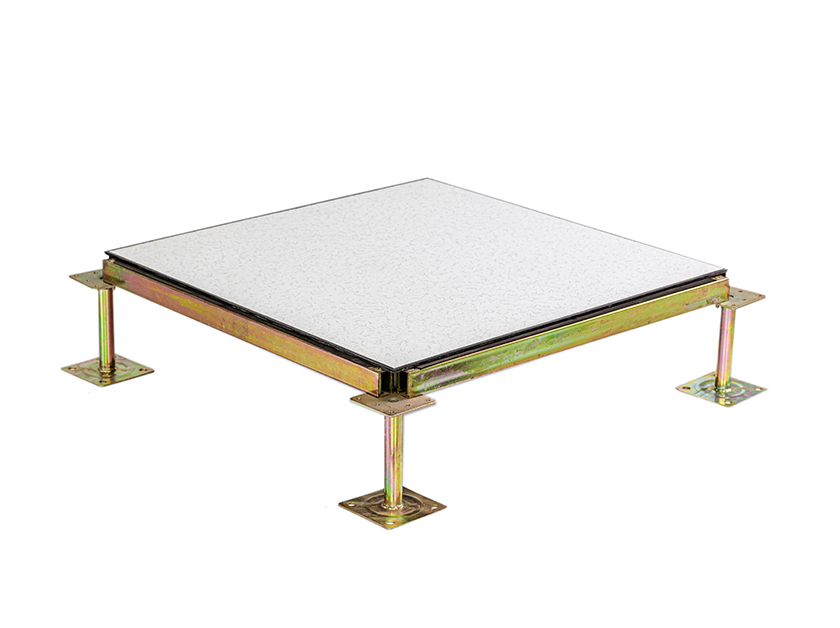
- Raised Floor: The most widely used and universal term, vividly describing its core feature—an entire floor system elevated above the building's original slab, creating a hidden overhead plenum. This name directly highlights its physical structure.
- Access Floor: Emphasizing its core function of convenient access. The design of easily detachable panels allows technicians to "access" the plenum below for cable laying, maintenance, and adjustments to air conditioning systems, underscoring its utility for facility operation.
- Computer Floor: Rooted in its historical origin and primary application—computer rooms. Early mainframes required strict standards for cleanliness, load-bearing capacity, cable management, and heat dissipation, making Raised Floor systems the standard configuration for machine rooms. This term defines its exclusivity for critical electronic equipment environments.
These names—Raised Floor, Access Floor, and Computer Floor—are not mutually exclusive but describe the same revolutionary building subsystem from different perspectives (structure, function, application scenario), all pointing to a core: an accessible, functional overhead platform.
Practical Significance of Nomenclature Differences: Keys to Selection and Communication
Understanding the nuances of these terms is crucial for project planning, procurement, and daily communication:
Communication by Functional Requirements
- Use Access Floor to precisely convey the emphasis on "convenient access" when highlighting frequent maintenance or pipeline adjustments.
- Opt for Computer Floor or Raised Floor to reflect high load-bearing and machine room standards when the project core involves supporting server racks and heavy equipment like precision air conditioners.
- Raised Floor is the safest choice to describe the basic physical structure or seek universal solutions without ambiguity.
Subdivision by Material and Construction
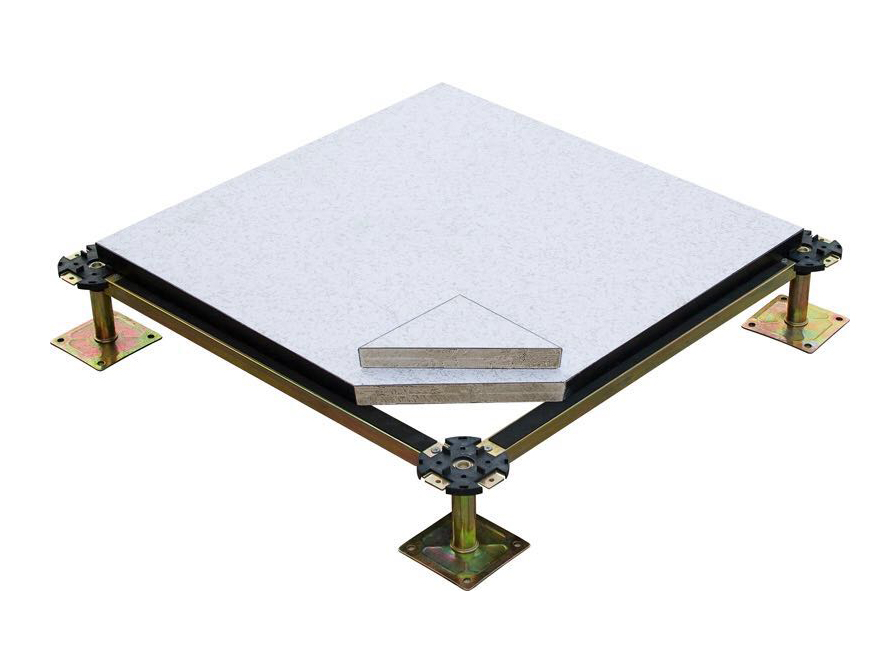
- Steel Raised Floor / Steel Access Floor: The mainstream choice, valued for high strength, excellent fire resistance, and durability, suitable for most data centers and commercial environments.
- Calcium Sulfate Access Floor / Raised Floor: Environmentally friendly, fireproof, and offering a foot feel closer to solid wood, ideal for high-end offices and cleanrooms with requirements for comfort and sustainability.
- Aluminum Access Floor: Lightweight and corrosion-resistant, suitable for environments with special load restrictions or high cleanliness standards (e.g., laboratories).
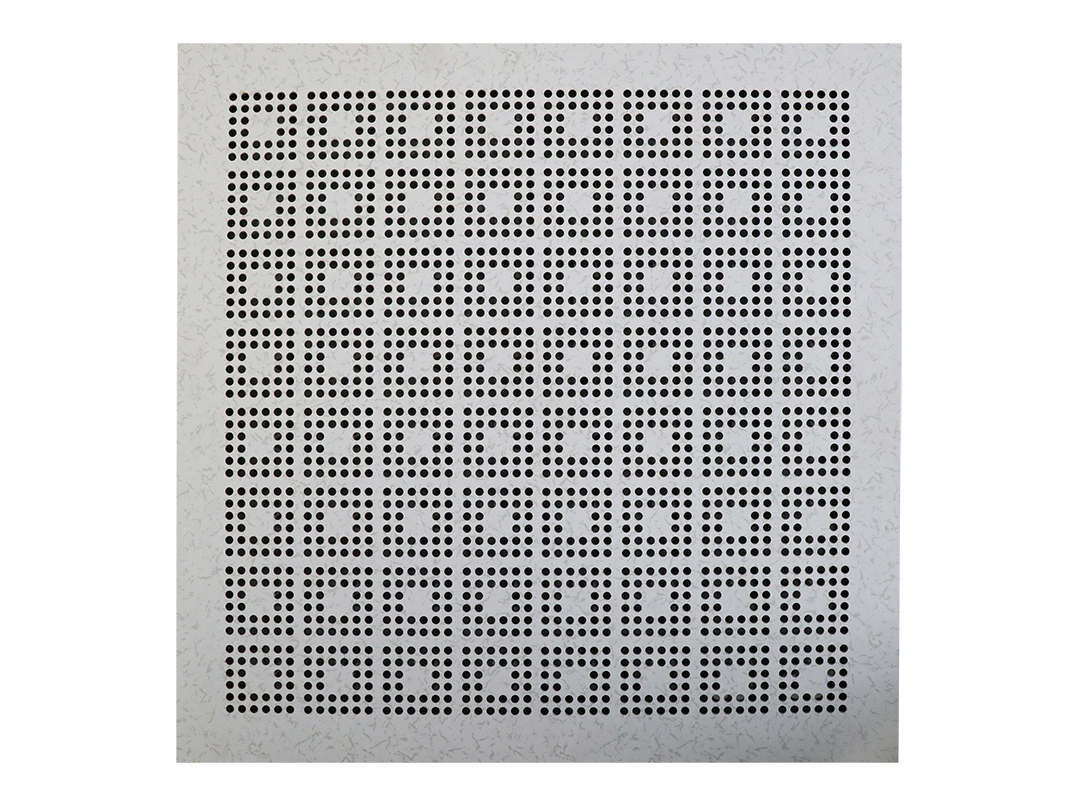
- Perforated Steel Access Floor Tile / Raised Floor Grille: Panels with holes, a key component of underfloor air distribution systems, ensuring uniform cooling in machine rooms.
Understanding by Application Scenario
- Data Centers: Virtually synonymous with Raised Access Floor systems, demanding the highest standards for load-bearing, seismic resistance, static control, cabling capacity, and ventilation efficiency.
- Command & Control Centers: Rely on Computer Floor systems to manage massive cables and ensure stable equipment operation and personnel safety.
- Modern Offices: Increasingly adopting Access Floors for flexible cabling, supporting adaptable workstations, and enhancing space utilization and aesthetics.
- Labs & Cleanrooms: Require specific materials (e.g., aluminum, calcium sulfate) for Raised Floors to meet special needs like anti-static, corrosion resistance, and high cleanliness.

Aligning Understanding, Focusing on Value: Why the System Behind the Names Matters
Whether called a Raised Floor, Access Floor, or Computer Floor, its core value lies in creating a multifunctional, intelligent plenum space—a lifeline for data centers and modern buildings:
- Cable Management 'Highway': Power lines, network fibers, and signal cables are orderly routed and separated in the plenum, avoiding tangling and interference to enhance safety and maintenance efficiency.
- Efficient Cooling 'Invisible Channel': Combined with underfloor air conditioning, cold air is precisely delivered to equipment inlets through ventilated floors, significantly improving cooling efficiency and reducing energy consumption.
- Equipment Safety 'Guardian': Robust ESD (Electrostatic Discharge) control protects sensitive electronics from static damage.
- Flexible Space 'Magician': The support system allows flexible adjustment of equipment positions, with panels that can be opened at any time to meet future expansion needs.
Thus, understanding "What is a raised floor called" is not merely a nominal analysis but a grasp of its core functions and values in different contexts, laying the foundation for selecting the most suitable solution.
Choosing a Reliable Partner to Build a Solid Foundation
Whether your project requires a high-load Computer Floor, maintenance-friendly Access Floor, or universal Raised Floor solution, partnering with an experienced and technically reliable supplier is key to success. A quality raised floor provider offers not only internationally certified products but also professional design consultation, installation guidance, and ongoing support—ensuring your plenum space operates at maximum efficiency and provides a solid, flexible, and efficient physical platform for critical equipment and business operations. HUATENG, dedicated to quality and innovation, is your trusted partner.
 CopyRight © 2026 - Changzhou Huateng Access Floor Co., LTDAll rights reserved