




What Is the Best Raised Floor System for a Data Center? A Complete 2026 Guide
Selecting the right raised floor system can mean the difference between seamless operations and costly downtime in modern data centers. With critical equipment running 24/7, facility managers need flooring that delivers reliable static protection, efficient airflow management, and long-term durability. This guide explores everything professionals need to know about choosing the optimal data center flooring solution.
Key Takeaways
Three primary raised floor systems dominate data centers: Steel-encapsulated, calcium sulphate, and aluminum panels, each offering distinct advantages for specific applications.
Load capacity requirements vary significantly based on equipment density, with modern facilities requiring concentrated loads between 680-1360 kg (1,500-3,000 lbs) per panel.
Anti-static properties are non-negotiable for protecting sensitive electronics, with resistance values typically ranging from 1.0×10⁶ to 1.0×10⁹ ohms.
Proper plenum height directly impacts cooling efficiency, with industry standards recommending minimum heights of 300-450mm (12-18 inches) for optimal airflow distribution.
Total cost of ownership extends beyond initial purchase price to include installation complexity, maintenance requirements, and expected service life spanning 15-25 years.
Understanding Data Center Flooring Requirements
Modern data centers face unprecedented demands. Server equipment continues to increase in both weight and power density, while cooling requirements grow more complex. The raised floor system serves as the foundation for addressing these challenges, providing an accessible plenum for cable management and creating pathways for conditioned air distribution.
Industry standards from organizations like TIA-942 and ASHRAE TC 9.9 establish minimum requirements for telecommunications infrastructure and thermal management in data processing environments. These guidelines help facility managers make informed decisions about appropriate flooring specifications.
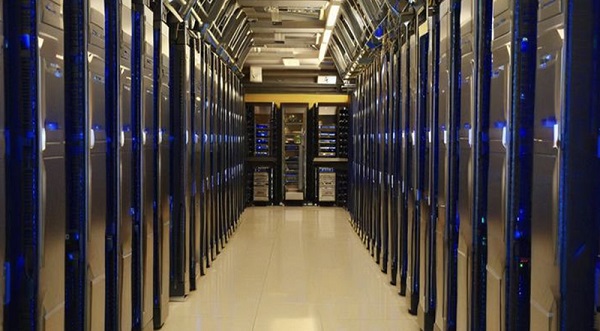
Critical Performance Factors
When evaluating raised floor system options, several key performance characteristics determine suitability for data center applications. Load-bearing capacity stands as perhaps the most fundamental consideration, as inadequate support can lead to floor failure and equipment damage. Modern server racks commonly weigh between 900-1,800 kg (2,000-4,000 lbs) when fully populated, creating concentrated point loads that flooring must safely support.
Static dissipation capabilities protect sensitive electronics from electrostatic discharge damage. Quality anti-static raised floor systems maintain surface resistance within the optimal range, preventing charge accumulation while avoiding excessive conductivity that could create shock hazards for personnel.
Fire resistance requirements vary by jurisdiction and facility classification, but most data centers specify non-combustible materials with appropriate fire ratings. Calcium sulphate panels typically achieve superior fire resistance compared to steel-encapsulated alternatives, an important consideration for facilities prioritizing safety compliance.
Comparing Raised Floor System Types
Three main construction methods account for the majority of data center flooring installations worldwide. Each approach offers distinct advantages depending on specific facility requirements, budget constraints, and operational priorities.
Steel-Encapsulated Panels
Steel-encapsulated raised floor panels feature a cement-filled core surrounded by welded steel construction. The design provides excellent load distribution and durability at a competitive price point. Top and bottom steel sheets, typically constructed from cold-rolled steel plate, are formed through stretching and welding processes before cement filling.
These panels accommodate various finish options including high-pressure laminate, PVC, carpet tile, or bare steel for specialized applications. The modular nature allows for easy reconfiguration as data center layouts evolve. However, steel panels generally offer lower acoustic performance compared to calcium sulphate alternatives and may be susceptible to moisture damage if the cement core becomes compromised.
Calcium Sulphate Panels
Calcium sulphate raised floor systems utilize a mineral-based core material that delivers exceptional fire resistance and acoustic properties. The manufacturing process involves combining natural gypsum with plant fibers, creating a homogeneous substrate that achieves high compressive strength through crystallization and pressing.
These panels feature galvanized steel or aluminum foil on the bottom surface, anti-static finishes on top, and PVC edge trim protection. The material composition provides Class A fire resistance ratings and superior sound dampening characteristics. Environmental sustainability represents another advantage, as calcium sulphate contains up to 85% naturally-occurring materials with recycling rates between 90-97%.
Load-bearing capacity typically ranges from 1,500-3,000 kg/m² depending on panel thickness and understructure design. The microporous structure created during crystallization offers excellent acoustic values, with sound reduction measurements between 28-51 dB with covering or 14-70 dB without. Premium pricing compared to steel panels reflects the enhanced performance characteristics and longer service life expectancy.
Aluminum Access Floors
Die-cast aluminum panels provide lightweight alternatives for specialized applications. The manufacturing process involves melting aluminum alloy and machining it into precision components. These systems excel in environments requiring frequent floor access or where weight restrictions apply.
Aluminum construction offers inherent corrosion resistance, moisture immunity, and complete recyclability at end-of-life. The material naturally resists bacterial growth, making it suitable for cleanroom and healthcare data center applications. Load capacity reaches up to 1,500 kg/m² while maintaining significantly lower panel weight than steel or calcium sulphate options.
Higher initial costs represent the primary limitation, though lifecycle value may justify the investment for facilities prioritizing sustainability and ease of reconfiguration.
| Floor Type | Load Capacity | Fire Resistance | Acoustic Performance | Cost Range | Best For |
|---|---|---|---|---|---|
| Steel-Encapsulated | 1,200-2,500 kg/m² | Good | Moderate | $$ | Budget-conscious facilities, standard applications |
| Calcium Sulphate | 1,500-3,000 kg/m² | Excellent (Class A) | Superior | $$$ | High-density equipment, premium facilities |
| Aluminum | 1,000-1,500 kg/m² | Excellent | Good | $$$$ | Cleanrooms, frequent reconfiguration needs |
Essential Installation Considerations
Proper installation directly impacts long-term performance and reliability. The process begins with subfloor preparation, ensuring the concrete base is clean, level, and free from moisture issues. Surface variations exceeding 3mm over 3 meters can compromise pedestal stability and create uneven loading conditions.
Understructure System Selection
The support grid represents a critical component often overlooked during specification. Two primary systems dominate the market: stringered and stringerless designs. Stringered systems utilize lateral bracing between pedestals, providing enhanced lateral stability and seismic resistance. Stringerless configurations offer greater flexibility for cable routing and simplified panel removal for maintenance access.
Pedestal spacing typically ranges from 600×600mm to 610×610mm depending on regional standards and panel dimensions. Adjustable pedestals accommodate minor subfloor irregularities and facilitate precise height control. The finished floor height measured from structural slab to panel top surface determines available plenum volume for cabling and airflow.
Grounding and Bonding Requirements
Effective static dissipation requires proper electrical continuity throughout the entire floor system. Grounding straps connect individual panels to the building ground, creating a continuous conductive path. Resistance testing after installation verifies that surface-to-ground measurements fall within specified limits, typically below 1.0×10⁹ ohms.
Regular maintenance includes periodic resistance verification, visual inspection for physical damage, and cleaning to remove contaminants that could compromise anti-static performance. Facilities should establish testing schedules based on environmental conditions and equipment criticality, with quarterly or semi-annual intervals representing common practice.
Airflow Management and Cooling Efficiency
The underfloor plenum serves dual purposes: cable pathways and air distribution. Proper design optimizes both functions without compromise. Cold air distributed through perforated panels or floor-mounted diffusers reaches equipment air intakes, while hot exhaust returns through overhead returns or rear-door heat exchangers.
Plenum depth calculations must account for airflow volume requirements, cable congestion, and pressure drop considerations. Insufficient height restricts air movement and creates turbulence, reducing cooling effectiveness. The TIA-942 standard recommends minimum plenum heights of 300mm, though many modern facilities specify 450-600mm to accommodate higher heat densities and future expansion.
Strategic placement of perforated panels follows hot aisle/cold aisle containment strategies. Panels with 25% open area typically suffice for standard rack densities up to 5 kW. Higher density installations may require fan-assisted tiles, increased perforation percentages, or supplemental cooling approaches.
Ready to Upgrade Your Data Center Flooring?
HUATENG has been manufacturing premium raised floor systems for over 28 years, serving data centers worldwide with anti-static flooring solutions that meet the most demanding specifications. Their experienced engineering team provides customized recommendations based on your specific load requirements, environmental conditions, and budget parameters.
Request Your Free ConsultationISO 9001 & ISO 14001 certified manufacturing | Full CISCA compliance | Global project support
Making the Right Choice for Your Facility
No single raised floor system proves optimal for every data center application. The decision requires careful evaluation of multiple factors including current equipment loads, planned expansions, environmental regulations, and total ownership costs over the expected service life.
Budget-conscious facilities with standard server configurations often find steel-encapsulated panels deliver excellent value. The robust construction withstands normal wear while accommodating typical rack weights and providing reliable static protection. Facilities should ensure adequate fire protection measures compensate for the lower inherent fire resistance compared to calcium sulphate alternatives.
High-density computing environments benefit from calcium sulphate's superior load capacity and fire resistance. The material excels in mission-critical facilities where equipment protection justifies premium pricing. Financial institutions, government facilities, and hyperscale operators frequently specify calcium sulphate for flagship installations.
Aluminum systems serve specialized niches where lightweight construction, corrosion resistance, or complete recyclability provide specific advantages. Pharmaceutical clean rooms, research laboratories, and facilities with frequent reconfigurations find value in aluminum's unique properties despite higher costs.
Working with Qualified Suppliers
Partner selection significantly influences project outcomes. Experienced manufacturers understand the nuances of data center applications and provide engineering support throughout specification, installation, and ongoing maintenance phases. When evaluating potential suppliers, facility managers should verify manufacturing certifications, review project portfolios, and confirm product compliance with relevant industry standards.
HUATENG exemplifies the capabilities reputable suppliers should provide. With automated production lines capable of manufacturing 3,000 square meters daily and certifications including ISO 9001, ISO 14001, CE, and SGS, they deliver consistent quality for projects worldwide. Their comprehensive product range spans multiple panel types, allowing customized solutions matching specific requirements rather than forcing compromises with limited offerings.
Summary
Selecting the optimal raised floor system for data center applications requires balancing multiple performance characteristics against budget constraints and operational requirements. Steel-encapsulated panels offer cost-effective solutions for standard applications, calcium sulphate provides premium performance for demanding environments, and aluminum serves specialized needs where unique properties justify additional investment.
Critical factors include load-bearing capacity sufficient for current and planned equipment, proper anti-static properties within the 1.0×10⁶ to 1.0×10⁹ ohm range, adequate plenum height for airflow distribution, and fire resistance appropriate to facility classification. Installation quality proves equally important as product selection, with proper subfloor preparation, precise leveling, and verified grounding essential for long-term performance.
Facility managers should engage qualified suppliers early in the design process to ensure specifications align with operational objectives while meeting industry standards from TIA-942 and ASHRAE. The investment in quality raised floor systems pays dividends through reliable operation, simplified maintenance, and extended service life supporting business-critical computing infrastructure.
Frequently Asked Questions
What is the minimum load capacity required for data center raised floors?
Modern data centers typically require concentrated load capacities between 680-1360 kg (1,500-3,000 lbs) per panel, though specific requirements depend on rack configurations and equipment density. Always consult structural engineers to verify capacity matches actual loading conditions.
How often should anti-static flooring be tested?
Industry best practices recommend testing anti-static performance quarterly to semi-annually depending on environmental conditions and equipment sensitivity. Testing verifies surface resistance remains within the 1.0×10⁶ to 1.0×10⁹ ohm specification range.
What plenum height works best for most data centers?
While TIA-942 specifies a minimum of 300mm, most modern facilities install 450-600mm plenum heights to accommodate both cabling infrastructure and adequate airflow volumes for cooling efficiency. Higher densities may require greater depths.
Can raised floor systems be reused in facility relocations?
Yes, quality modular systems can be disassembled and reinstalled in new locations. Calcium sulphate and aluminum panels particularly suit reuse due to their durability. Expect some panel replacement for damaged units, but 80-90% reuse rates are achievable with proper handling.
What certifications should I look for in a raised floor supplier?
Reputable manufacturers maintain ISO 9001 quality management certification, ISO 14001 environmental certification, and product-specific certifications like CE, SGS, or PSB. Request documentation of CISCA or EN 12825 compliance testing for performance verification.
How long do data center raised floors typically last?
With proper maintenance, quality raised floor systems deliver 15-25 years of service life. Calcium sulphate panels typically outlast steel alternatives due to superior moisture resistance and structural stability. Regular cleaning and timely repairs extend operational lifespan.
 CopyRight © 2026 - Changzhou Huateng Access Floor Co., LTDAll rights reserved