




PVC vs. HPL: Which One is More Suitable for Your Needs?
As the construction and interior design industry keeps evolving, flooring materials have become more diversified with it. Among numerous options, PVC raised floor, and HPL flooring stands out because of their exemplary performance and usability across different domains. Both these materials are suited to different living conditions and have their own traits. For many consumers and project managers, choosing between PVC and HPL is often a challenge. In this article, we will analyze the pros and cons of both of these flooring materials from several perspectives to allow you to decide wisely based on your own requirements.

Material Composition and Basic Characteristics
Understanding the composition of these two materials first is crucial:
HPL flooring is high-pressure laminate, which is manufactured by soaking multiple layers of kraft paper in resin and pressing it under high temperature & high pressure. The surface is typically applied with a decorative layer, which can give the appearance of various natural looks. The HPL flooring also has extremely high wear resistance and impact resistance. Therefore, it is also used in high-traffic commercial areas for flooring.
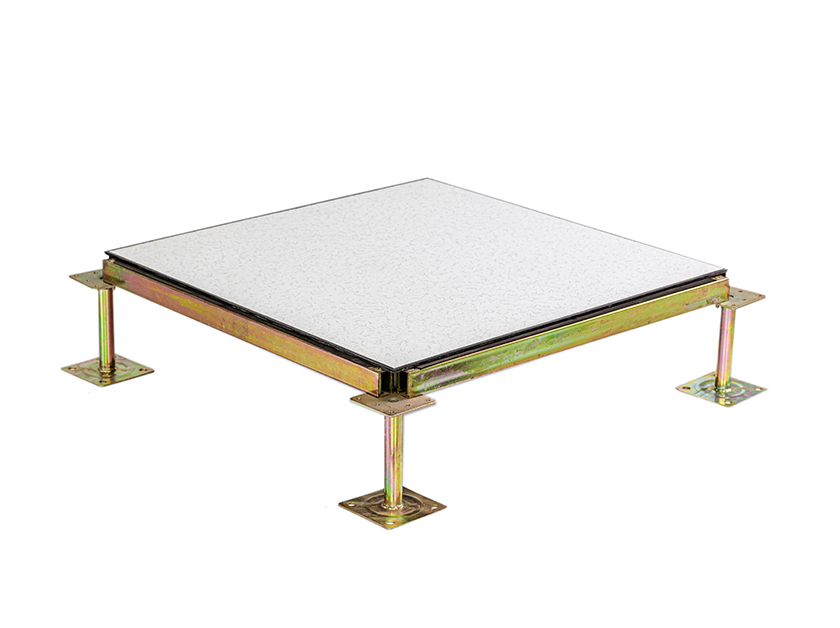
PVC raised floor consists of polyvinyl chloride material and often contains plasticizers, stabilizers, and fillers to enhance performance. The PVC is soft and elastic, easy to install, and is most suitable for offices, data centers, and light-industrial environments.
Comparison of Durability and Service Life
In terms of long-term use value:
The durability of the HPL is excellent, normal use conditions allow it to last from 15-20 years. Its wear-resistant layer on the surface can resist damage from heavy furniture and high-heel shoes, and it's not easily scratched or dented.
PVC raised floors usually have a service life of between 10-15 years. While not as durable as HPL, it can provide good service under normal use conditions. However, it can be permanently damaged due to deformation from prolonged weight of heavy objects, particularly under heavy-duty equipment.
Analysis of Installation and Maintenance Costs
From an economic perspective:
HPL flooring typically has a higher initial installation cost compared to PVC flooring. This will require a professional installation crew and much more installation time. Nevertheless, Due to its durability, it might be more economical in the long term. Maintenance of HPL flooring only requires regular sweeping and wet-mopping once in a while, without special treatment.
The initial cost of PVC raised floors is cheaper, and the installation is a relatively straightforward process. Some are even a self-installation system. It is also easy to maintain but will often require more upkeep to keep it looking good. Some high-end raised vinyl flooring is also treated with anti-static, which is suitable for places with a large amount of electronic equipment.
Environmental Adaptability and Application Scenarios
In different application scenarios, different flooring solutions may be required:
HPL flooring is highly suitable for high-traffic areas as well as areas that may come into contact with chemicals, such as laboratories, hospitals, and dining areas. It is great in terms of chemical and fire-resistance properties and thus is ideal for harsh commercial conditions.
PVC raised floors are well-suited for environments like data centers and modern offices that require flexible wiring and reconfigurable layouts. The space beneath also allows you to accommodate cables and pipes, making it easier to manage and upgrade facilities. Special anti-static performance PVC floors are also an excellent choice for places where anti-static is required.
Considerations of Environmental Protection and Health Factors
Consumers today are becoming more and more dedicated to environmental preservation when it comes to the building materials used:
HPL flooring is seen as the more environmentally friendly option. Its key elements - wood fiber and resin - carry a relatively low carbon footprint during manufacturing. Furthermore, premium HPL products meet low-VOC (volatile organic compound) emission standards that are beneficial for indoor air quality as well.
Some environmentalists question the use of traditional PVC raised floors because of the presence of plasticizers. However, the environmental performance of the materials has improved significantly thanks to innovative production processes. Now, numerous PVC floor products on the market are phthalate-free and comply with stricter environmental certification standards.
Conclusion: Choose the Best Option According to Specific Needs
PVC raised floors, and HPL flooring each have their unique advantages and limitations. There is no absolute "better" choice. The key is to make an appropriate decision based on your specific needs. In commercial environments, these two materials are often used in different areas to give play to their respective advantages. Before making a final decision, it is recommended to consider factors such as your budget, the specific needs of the site, the expected service life, and environmental requirements. Whichever material you choose, purchasing high-quality products and ensuring professional installation will help achieve the best use effect and value.
 CopyRight © 2026 - Changzhou Huateng Access Floor Co., LTDAll rights reserved