




A Beginner's Guide to Computer Raised Floor Systems
A computer raised floor creates an elevated platform above the building’s original floor, giving you space for cables, airflow, and equipment upgrades. You find these systems essential in data centers and computer rooms, where efficient cooling and cable organization matter most.
Cooling costs can make up over 43% of a data center’s energy expenses, but a raised floor can help you save up to 64% on energy bills in larger facilities.
You benefit from a raised computer floor by reducing heat, improving maintenance, and making future upgrades easy. The rising demand for raised computer floor systems reflects their practical impact.
Key Takeaways
Computer raised floors create space under the floor for cables and cooling, helping keep equipment safe and organized.
Raised floors improve cooling efficiency, which can lower energy costs and extend the life of your equipment.
Modular panels and adjustable pedestals make it easy to maintain, upgrade, and adapt your workspace as needs change.
Choosing the right panel material and design ensures safety, durability, and proper airflow for your specific environment.
Regular cleaning and inspections keep your raised floor system working well and protect your investment over time.

Computer Raised Floor Overview
What Is a Computer Raised Floor?
You may hear the terms computer raised floor, raised access floor, or false floor used to describe the same system. A computer raised floor is an elevated platform built above the original concrete slab in computer rooms, data centers, and offices. This platform creates a hidden space beneath the surface, which you can use for cable management, cooling, and flexible layouts.
Note: Raised access flooring helps you organize power and data cables, distribute cool air, and adapt your workspace as technology changes.
You will find several types of access flooring, each designed for specific needs. The table below shows common floor system types and their features:
Floor System Type | Load Capacity | Surface Coverings | Performance Data | Additional Standards |
Steel | High | Multiple options | Detailed data provided | ADA codes for access included |
Concrete Filled | High | Various finishes | Performance data available | Meets structural guidelines |
Aluminum | Moderate, lightweight | Multiple finishes | Performance data available | Suitable for specific environments |
Woodcore | Moderate | Various surface options | Metric specs available | ADA codes interpretation provided |
These measurable standards help you choose the right raised access flooring for your space. Raised computer floor systems must also meet local building codes and industry standards, such as those from ASHRAE, to ensure safety and performance.
How It Works
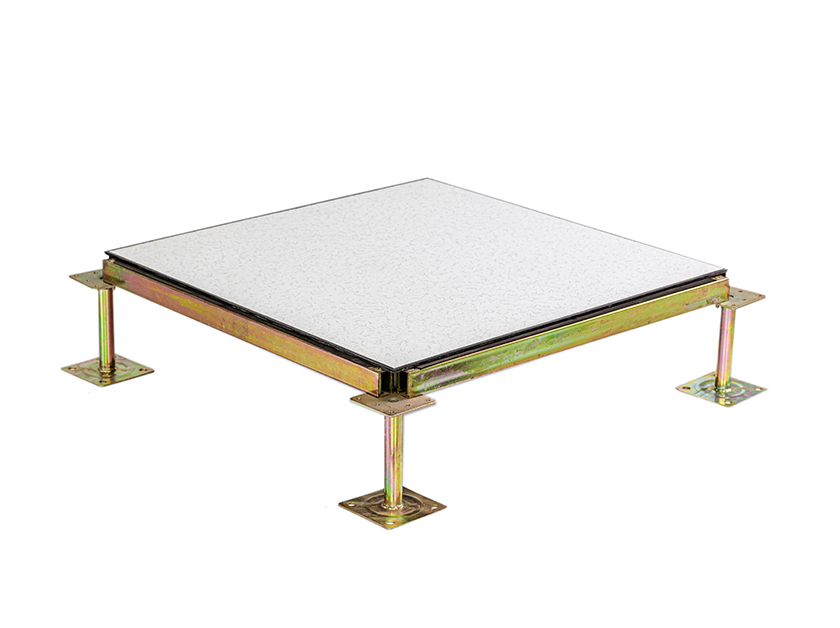
A computer raised floor uses a simple but effective structure. You install panels on a grid of pedestals, creating a sturdy platform above the original floor. The space between the panels and the slab forms a void, which you use for cooling, cable routing, and airflow management.
The panels are modular, so you can remove or replace them easily.
The void space allows you to run power, data, and cooling lines without cluttering the room.
The support system, made of pedestals and stringers, keeps the floor stable and strong.
You benefit from raised access flooring in several ways:
Raised floors improve cooling by letting you direct cold air exactly where your server racks need it. This underfloor air distribution boosts HVAC efficiency and helps you save energy.
You can organize cables neatly, reducing trip hazards and making maintenance easier.
The modular design lets you adapt your layout quickly as your needs change.
Tip: Many hyperscale data centers, including those run by major tech companies, use raised access flooring to handle complex cooling and cable management needs.
Recent industry studies highlight the growing importance of raised access flooring:
The global demand for raised floors is rising as more data centers and computer rooms require advanced cooling and cable solutions.
In 2022, Europe held over 30% of the raised access floor market share, showing strong adoption.
Steel encapsulated raised floors made up more than 33% of the market, proving their popularity.
The market is expected to grow at a CAGR of 7.64% from 2023 to 2030, driven by new technologies like 5G and AI.
Raised floors help you meet sustainability goals by improving HVAC efficiency and supporting green data center designs.
When you plan a raised computer floor, you should:
Design hot and cold aisle layouts to maximize cooling.
Check server rack load densities to pick the right panel strength.
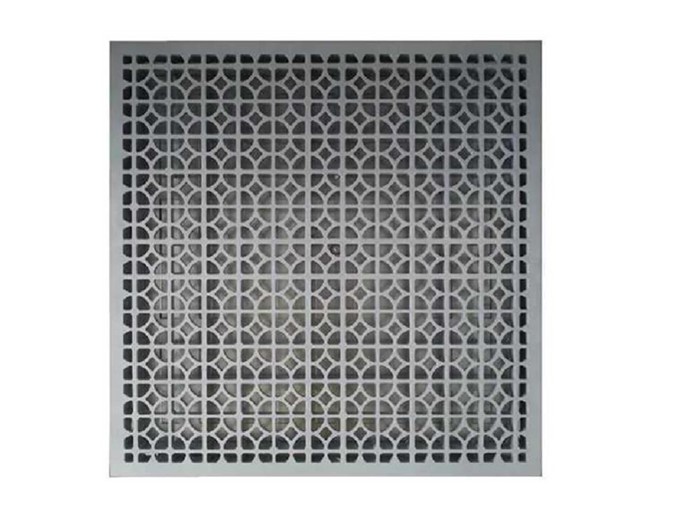
Choose panels with the right perforation for airflow.
Use underfloor baffles and diffusers to guide cool air.
Monitor temperature and humidity at the rack level to keep your systems running smoothly.
Raised access flooring gives you the flexibility, safety, and efficiency you need in modern computer rooms and data centers. You can support heavy equipment, manage cables, and maintain optimal cooling—all with one adaptable system.
Components of Raised Floor

Panels and Pedestals
You build a raised floor using panels and pedestals as the core elements. Panels form the walking surface and come in different materials, such as steel, calcium sulphate, and aluminum. Each material offers unique benefits. Steel panels resist fire and corrosion, making them popular in data centers. Calcium sulphate panels use recycled materials and provide soundproofing and water resistance. Aluminum panels are lightweight and resist chemicals, which suits cleanrooms and labs. Pedestals support the panels and allow you to adjust the height of your raised access flooring. This adjustability helps you create the right void space for cables and airflow.
Component Type | Key Properties and Benefits | Application Areas | Supporting Industry Insights |
Steel Panels | Fire resistance, durability, corrosion resistance, low maintenance | Data centers, factories, IT/telecom | Over 55% of installs use steel panels for fire safety and durability; support heavy loads and reduce costs over time |
Calcium Sulphate Board | Recycled, soundproof, water repellant, non-burning, eco-friendly | Offices, humid environments | Promoted by environmental regulations; growing use due to sustainability and fire safety |
Aluminum Board | Lightweight, non-magnetic, corrosion and chemical resistant, recyclable | Cleanrooms, healthcare, labs | Preferred for handling, adaptability, and longevity; supports temperature control and chemical resistance |
Stringers and Grid
Stringers connect the pedestals and create a grid under the panels. This grid adds strength and stability to your raised access flooring. You can choose a gridd raised access floor for extra support in areas with heavy equipment. The modular design lets you remove or rearrange panels easily. This flexibility helps you upgrade your access floor systems as your needs change. You can also adjust the grid to fit different room layouts or to support more weight.
Tip: Modular and gridd raised access floor designs make it easy to expand or reconfigure your workspace as technology evolves.
Surface Finishes
Surface finishes protect the panels and improve the look and safety of your raised floor. You can pick from high-pressure laminate (HPL), anti-static finishes, or even resin terrazzo. HPL resists scratches and stains, while anti-static finishes prevent static electricity from damaging sensitive equipment. Resin terrazzo offers both design flexibility and high durability, resisting impacts, stains, and chemicals. Studies show that proper cleaning can extend the life of these finishes beyond 30 years. Slip resistance is also important. Field tests reveal that slip risk increases in high-traffic areas, but you can reduce this risk by choosing the right finish and maintaining it well. Some advanced finishes use nanoparticles to boost slip resistance, especially in wet conditions, while keeping the surface easy to clean.
You gain many benefits from choosing the right components for your access flooring. You improve safety, durability, and adaptability in your data center or office. Raised access flooring lets you meet modern demands for cooling, cable management, and flexible layouts.
Benefits in Centers
Airflow and Cooling
You gain powerful cooling advantages when you use a raised floor in your data center or computer room. The raised floor creates a plenum beneath the panels. This space lets you direct conditioned air through perforated tiles right in front of your server racks. You can control airflow management with precision, which helps you keep equipment at safe temperatures. Hot and cold aisle containment strategies work best with a raised floor. These methods stop hot and cold air from mixing, so you avoid hotspots and keep cooling costs down.
Studies show that after installing a computer room raised floor system with full aisle containment, average rack inlet temperatures drop and hotspots disappear. Power Usage Effectiveness (PUE) improves, sometimes reaching as low as 1.38. You also extend the life of your equipment because steady temperatures reduce wear and tear. Smart sensors under the raised floor monitor temperature and humidity, giving you real-time airflow management. This setup helps you save energy and lower maintenance costs.
Raised floors improve airflow in centers, which helps reduce cooling costs.
Specialized perforated raised floor tiles enhance airflow management.
Smart sensors support real-time airflow optimization.
Cable Management
A raised floor gives you a hidden space for cables and utilities. You can route power and data lines under the panels, which keeps your workspace neat and safe. Good cable management means you avoid tangled wires and reduce the risk of tripping. You also make it easier to find and fix problems. In a data center, organized cables help airflow management by removing obstructions. This setup supports better cooling and keeps your systems running smoothly.
Tip: Use color-coded cables and labels under your raised floor to make future upgrades and repairs faster.
Flexibility and Safety
You get flexibility and safety benefits from a computer room raised floor system. The modular panels let you change your layout as your needs grow. You can add or move server racks, cooling units, or other equipment without major construction. Raised floors support fire protection by keeping cables and utilities out of sight and away from foot traffic. Many centers use fire-resistant panels and finishes to add another layer of safety. In server rooms, this system helps you meet strict safety codes and keeps your staff protected.
A raised floor system gives you the tools to manage cooling, airflow management, and cable organization in modern centers. You create a safer, more efficient environment for your technology.
Raised Access Flooring Types

When you select access flooring for your space, you find several types designed for different needs. Each raised floor type offers unique benefits for cooling, safety, and equipment support. Understanding these options helps you make the best choice for your data center or office.
HPL Raised Floor
High-Pressure Laminate (HPL) raised floor panels give you a tough, scratch-resistant surface. You often see HPL used in areas with heavy foot traffic or rolling equipment. The laminate finish protects the access flooring from stains and wear, making cleaning easy. HPL panels also resist moisture, so you can use them in rooms where spills might happen. Many data centers prefer HPL raised floor systems because they combine durability with a professional look.
Tip: HPL raised floor panels work well in both server rooms and office spaces where you need a balance of strength and appearance.
Anti-Static Raised Floor
You protect sensitive electronics when you choose anti-static raised floor panels. These panels use special coatings or materials that prevent static electricity from building up. In computer rooms and data centers, static can damage servers and storage devices. Anti-static access flooring helps you avoid costly repairs and downtime. You often find these panels in places where static control is critical, such as labs and electronics manufacturing.
A table can help you compare HPL and anti-static raised floor options:
Feature | HPL Raised Floor | Anti-Static Raised Floor |
Surface Protection | High | Moderate |
Static Control | Moderate | High |
Common Applications | Offices, data centers | Server rooms, labs |
Maintenance | Easy | Easy |
Other Variants
You can also choose from other access flooring types, such as bare steel, woodcore, and advanced raised flooring systems. Bare steel panels offer strong support and resist fire, making them popular in full-height access floors. Woodcore panels provide a lightweight option for low-profile raised floors. Some advanced raised flooring uses composite materials to reduce environmental impact.
A recent life cycle assessment compared three raised floor types: a new composite panel, a cement-injected steel sandwich floor, and a wood chip-based floor. The composite panel showed the lowest environmental impact, using 52% less than the steel sandwich floor and 47% less than the wood chip floor. This study highlights how material choice affects sustainability in access flooring.
Note: When you select a raised floor, consider your room’s needs, load requirements, and environmental goals. Advanced raised flooring can help you meet green building standards.
You improve safety, cooling, and flexibility when you match the right access flooring to your space. Always review technical specifications and consult with a professional to ensure your raised floor system meets your needs.
Raised Computer Floor Selection & Care
Choosing a System
You need to match your raised floor solution design to your facility’s needs. Start by considering the application environment. Data management centers, offices, control rooms, and emergency hubs each require different heights, materials, and features. Think about these factors:
Height: Low profile floors (under 3 inches) work for cable management. Full-height floors (6 inches or more) allow for cooling and large infrastructure.
Material: Concrete panels suit IT spaces. Calcium sulfate resists humidity. Hollow steel is lightweight. Wood core helps with sound. Aluminum is easy to clean.
Airflow: Perforated tiles improve cooling. Plan the number and placement with HVAC experts.
Cable management: Choose a system that fits your cable density. Low profile floors handle light cabling. Higher floors support both cables and airflow.
Weight load: Make sure your panels can support heavy equipment and foot traffic.
Provider: Pick a supplier with experience, quality installation, and strong materials.
Case studies show that flexible systems with good airflow and cable management lower costs and boost reliability. You should always consult a professional for the best results.
Installation Basics
Proper installation ensures your raised floor works as intended. Follow these steps for a smooth process:
Prepare the subfloor by cleaning and leveling it.
Mark the grid layout for pedestals and stringers.
Secure pedestals to the subfloor at the correct height.
Attach stringers to create a stable grid.
Place panels on the grid, checking for level and fit.
Install perforated tiles where cooling is needed.
Label cable trays and raceways for easy access.
Test the system for stability and airflow.
Professional installation teams deliver faster results and guarantee quality. They also help you avoid common mistakes that can affect cooling and safety.
Maintenance Tips
Regular care keeps your raised floor in top shape. You should:
Vacuum under the panels to remove dust and debris.
Inspect the entire floor for damage or loose panels.
Rotate panels and replace any that show wear.
Schedule airflow evaluations to maintain cooling efficiency.
Use refurbished or replacement panels to support sustainability.
Expert maintenance extends the life of your system and protects your investment. Quality flooring supports easy upgrades and long-term performance in data management centers.
Tip: Schedule full inspections at least once a year to catch issues early and keep your system running smoothly.
You now understand how a raised floor supports your data center or server rooms. This system gives you better airflow, organized cables, and safer workspaces. You can choose from different panel types to match your needs. When you plan your next upgrade, talk to a trusted supplier for expert advice and the best solutions.
FAQ
What is the main purpose of a computer raised floor?
You use a computer raised floor to create space for cables, cooling, and equipment upgrades. This system helps you organize your workspace and improve airflow in data centers and computer rooms.
How do you clean and maintain a raised floor system?
You should vacuum under the panels and check for loose or damaged tiles. Schedule regular inspections to keep your system safe and efficient. Replace worn panels as needed.
Can you install a raised floor in existing buildings?
Yes, you can install a raised floor in most existing buildings. You need to check the building’s structure and plan the layout. Many data management centers upgrade older spaces with raised floors for better cooling and cable management.
How do you choose the right raised floor panel?
You select panels based on load requirements, room use, and finish type. Consider airflow needs and safety features. Ask a professional for help if you are unsure.
Are raised floors safe for heavy equipment?
Raised floors support heavy equipment when you choose the correct panel strength and support grid. Always check the weight limits before placing large servers or racks.
 CopyRight © 2026 - Changzhou Huateng Access Floor Co., LTDAll rights reserved